|
|
|
A toothbrush is what you use to clean your teeth, gums, and tongue. It gets rid of gunk, bits of food, and germs to keep your mouth healthy and stop things like cavities, gum problems, and bad breath.
**What's a Toothbrush Made Of?**
* **Handle:** The part you hold. It can be straight or shaped to fit your hand better.
* **Head:** The part with the bristles.
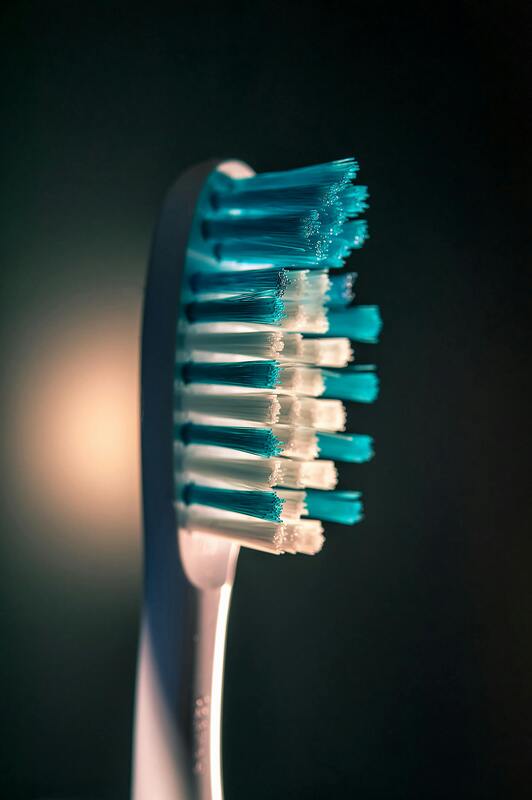
* **Bristles:** The little things that actually clean your teeth. They can be different lengths, how close they are together, and how stiff they are.
* **Neck:** The part that joins the handle and head. It's often bent a bit so you can reach your back teeth.
**Types of Toothbrushes**
* **Regular Toothbrush:** You move it yourself. They're cheap and work great if you use them the right way.
* **Electric Toothbrush:** It runs on batteries or needs to be charged. The head moves around. It can be easier to remove more gunk, Great if you have trouble moving your hands well.
* **Interdental Brush:** A tiny brush for cleaning between your teeth.
* **Baby/Kid Toothbrushes:** Smaller with softer bristles that are better for kids' mouths.
**Which Bristles Should I Use?**
* **Soft:** Best for most people. Easy on your gums but still cleans well.
* **Medium:** Cleans deeper if you have healthy gums.
* **Hard:** Not usually a good idea. Can hurt your teeth.
Soft bristles are usually the best choice because they're gentle and clean well.
**How to Brush**
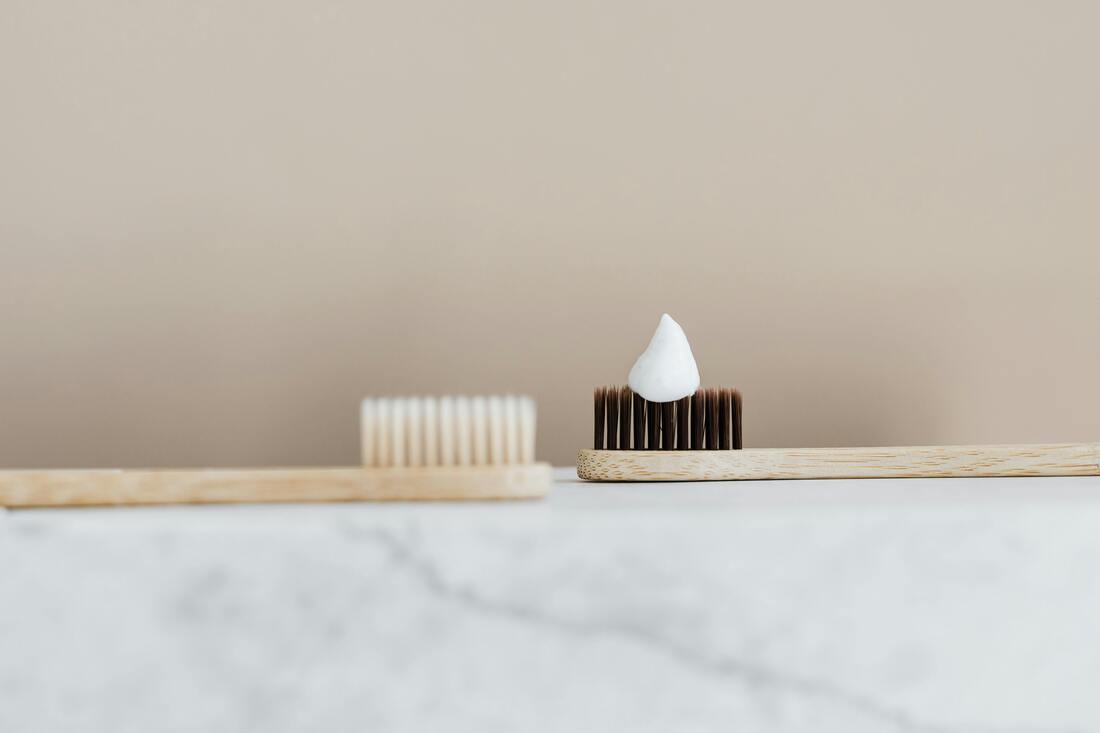
* Put a little bit of toothpaste with fluoride on your brush.
* Hold the brush at an angle against your gums.
* Move the brush in small circles. Don't scrub back and forth really hard.
* Clean all parts of each tooth.
* Brush your tongue to get rid of nasty stuff.
* Do this for two minutes, twice a day (morning and night).
* Either spit out the toothpaste or rinse a little bit. Leaving some toothpaste on your teeth longer keeps them stronger.
**When to Get a New Toothbrush**
* Every 3-4 months
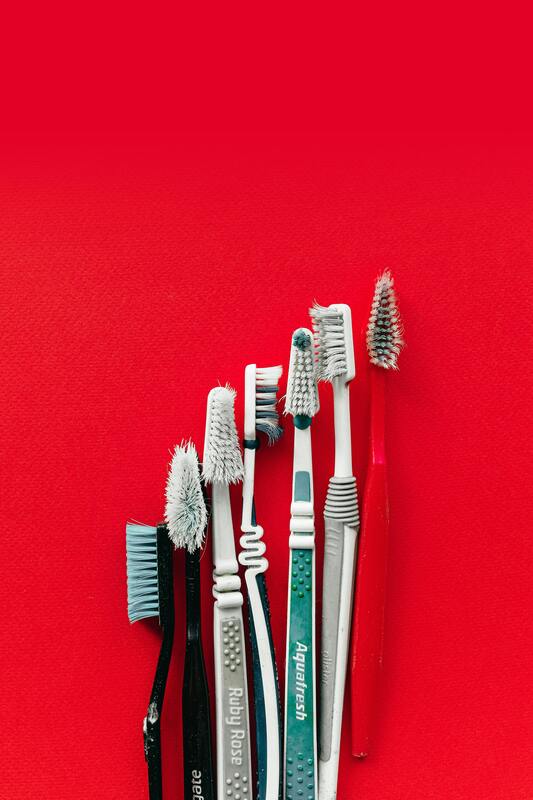
* If the bristles are bent and worn
* After you've been sick
**Taking Care of Your Toothbrush**
* Rinse it after you use it.
* Store it standing up so it can dry out.
* Don't keep it in a closed container because that helps germs grow.
* Don't share your toothbrush!
**Cool Toothbrush Features**
* Small heads for getting to those back teeth
* Bends in the neck to help you reach better
* Handles that bend a little so you don't press too hard
* Handles that are easier to grip
* Tongue scrapers on the back
**Why Brushing Matters**
* Gets rid of gunk and stops tartar from building up
* Prevents cavities and gum problems
* Makes your breath smell better
* Keeps your whole mouth in good shape, which can even help your overall health
**Toothbrushes and the Environment**
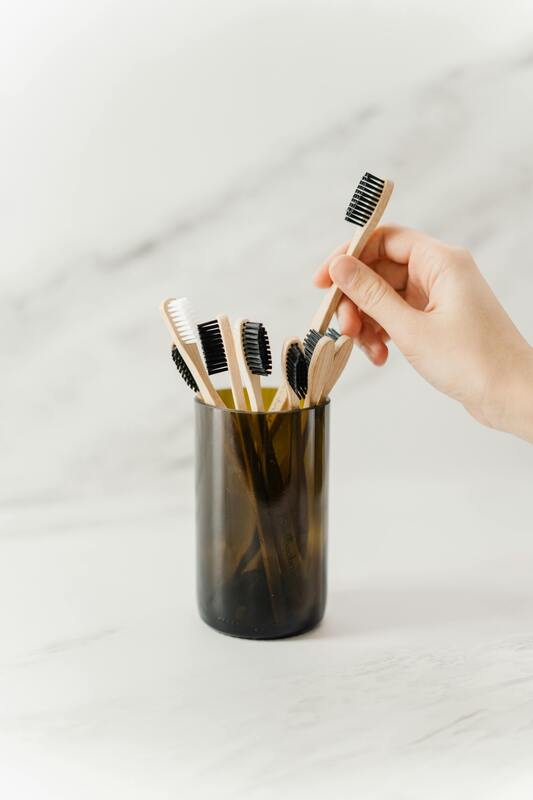
Regular toothbrushes are plastic; try to find ones made of bamboo.
**Things People Do Wrong**
* Brushing too hard (hurts your gums and teeth)
* Not brushing long enough (less than 2 minutes)
* Using a worn-out toothbrush
* Not brushing along the gum line and tongue
* Rinsing all the toothpaste off right away
**Other Stuff That Helps**
* Toothpaste: Makes your teeth stronger
* Floss: Cleans between your teeth
* Mouthwash: Kills germs and makes your breath better
* Tongue scraper: Cleans your tongue
**Toothbrush History**
People have been cleaning their teeth for thousands of years. The first toothbrushes were twigs that people chewed on. The kind of toothbrush we use today started in China a long time ago. They used pig hair for the bristles. Toothbrushes with nylon bristles came around in the last century.
**What's a Toothbrush Made Of?**
* **Handle:** The part you hold. It can be straight or shaped to fit your hand better.
* **Head:** The part with the bristles.
* **Bristles:** The little things that actually clean your teeth. They can be different lengths, how close they are together, and how stiff they are.
* **Neck:** The part that joins the handle and head. It's often bent a bit so you can reach your back teeth.
**Types of Toothbrushes**
* **Regular Toothbrush:** You move it yourself. They're cheap and work great if you use them the right way.
* **Electric Toothbrush:** It runs on batteries or needs to be charged. The head moves around. It can be easier to remove more gunk, Great if you have trouble moving your hands well.
* **Interdental Brush:** A tiny brush for cleaning between your teeth.
* **Baby/Kid Toothbrushes:** Smaller with softer bristles that are better for kids' mouths.
**Which Bristles Should I Use?**
* **Soft:** Best for most people. Easy on your gums but still cleans well.
* **Medium:** Cleans deeper if you have healthy gums.
* **Hard:** Not usually a good idea. Can hurt your teeth.
Soft bristles are usually the best choice because they're gentle and clean well.
**How to Brush**
* Put a little bit of toothpaste with fluoride on your brush.
* Hold the brush at an angle against your gums.
* Move the brush in small circles. Don't scrub back and forth really hard.
* Clean all parts of each tooth.
* Brush your tongue to get rid of nasty stuff.
* Do this for two minutes, twice a day (morning and night).
* Either spit out the toothpaste or rinse a little bit. Leaving some toothpaste on your teeth longer keeps them stronger.
**When to Get a New Toothbrush**
* Every 3-4 months
* If the bristles are bent and worn
* After you've been sick
**Taking Care of Your Toothbrush**
* Rinse it after you use it.
* Store it standing up so it can dry out.
* Don't keep it in a closed container because that helps germs grow.
* Don't share your toothbrush!
**Cool Toothbrush Features**
* Small heads for getting to those back teeth
* Bends in the neck to help you reach better
* Handles that bend a little so you don't press too hard
* Handles that are easier to grip
* Tongue scrapers on the back
**Why Brushing Matters**
* Gets rid of gunk and stops tartar from building up
* Prevents cavities and gum problems
* Makes your breath smell better
* Keeps your whole mouth in good shape, which can even help your overall health
**Toothbrushes and the Environment**
Regular toothbrushes are plastic; try to find ones made of bamboo.
**Things People Do Wrong**
* Brushing too hard (hurts your gums and teeth)
* Not brushing long enough (less than 2 minutes)
* Using a worn-out toothbrush
* Not brushing along the gum line and tongue
* Rinsing all the toothpaste off right away
**Other Stuff That Helps**
* Toothpaste: Makes your teeth stronger
* Floss: Cleans between your teeth
* Mouthwash: Kills germs and makes your breath better
* Tongue scraper: Cleans your tongue
**Toothbrush History**
People have been cleaning their teeth for thousands of years. The first toothbrushes were twigs that people chewed on. The kind of toothbrush we use today started in China a long time ago. They used pig hair for the bristles. Toothbrushes with nylon bristles came around in the last century.
**A. Manual Toothbrushes**
* What they are: The classic kind you move with your hand.
* Good stuff: Cheap, easy to find, and you don't have to charge them.
* Not-so-good stuff: How well you brush depends on you.
* Perfect For: Everyday brushing, travel, or if you just want something simple.
**B. Electric Toothbrushes**
These use power (either electricity or batteries) to move the brush part for you. Here are the kinds of movements:
* Rotating: The bristles go around in circles.
* Oscillating: The bristles move back and forth.
* Sonic/Vibrating: Super-fast movement (thousands of times a minute).
* Ultrasonic: Uses sound waves to get rid of stuff on your teeth.
Why they're great:
* They get rid of more gunk.
* Easier to use if you have trouble moving your hands well (like if you have arthritis), or for kids or older people.
* They often have timers and tell you if you're pressing too hard.
**C. Battery Toothbrushes**
* What they are: Run on replaceable batteries.
* The good: Cheaper than the kind you recharge, but not quite as strong.
* Great for: Trips or if you just need something for a bit.
**Types of Toothbrushes Based On other Conditions:**
* **Infant:** For babies. With really soft silicone or rubber bristles for gentle use.
* **Toddler:** Ages 2–4. Small head, easy-to-hold handle, super-soft bristles.
* **Child:** Ages 5–10. A bit bigger, cool designs to get kids to actually use them.
* **Teen/Adult:** Normal size for grown-up teeth. Softer or medium bristles, comfy handle.
* **Senior:** For older folks. Bigger handles, extra-soft bristles you can grab easily.
**Bristle Stuff**
* **Soft:** Easy on your teeth and gums. For most people, every day.
* **Medium:** A bit stiffer, for getting off tough stuff. If your gums are in good shape, now and then.
* **Hard:** Strong cleaning, but be careful. Not usually a good idea.
* **Tapered/Feathered:** Thin tips to get under your gums. If your gums are touchy,.
* **Cross-angled/Multilevel:** Made to get between your teeth.
**Head Designs**
* **Compact:** Small. Gets to those back teeth better.
* **Full:** Normal size. Cleans a good amount at once.
* **Diamond:** Pointy tip. Good for corners.
* **Flexible:** Moves a little. Less pressure on gums.
**Special Job Toothbrushes**
* **Orthodontic:** V-shaped bristles. Cleans around braces.
* **Interdental:** Tiny brushes for between your teeth. Like floss.
* **End-Tuft:** One small, round brush. For spots that are hard to reach.
* **Sulcus:** Soft bristles in rows. Cleans right where your gums meet your teeth.
* **Post-Surgical:** Really soft bristles. For after gum surgery.
* **Tongue-Cleaning:** Scraper on the back. Helps with bad breath.
* **Eco-Friendly (Bamboo/Biodegradable):** Made from natural stuff.
**Electric Brush Movements**
* **Rotating:** Goes around.
* **Oscillating-Rotating:** Changes direction.
* **Sonic:** Shakes side to side.
* **Ultrasonic:** Uses sound to bust up the plaque.
**Handle Stuff**
* **Straight:** Normal. Simple.
* **Angled:** Bent a little. Gets to the back easier.
* **Flexible:** Bends a bit. Less pushing on your gums.
* **Ergonomic:** Shaped to fit your hand.
* **Wide/Large:** For kids or people with arthritis.
**What They're Made Of**
* **Plastic:** Most common. Lasts and isn't heavy.
* **Bamboo:** Good for the planet.
* **Silicone:** Soft. right for babies.
* **Recycled:** Made from old stuff.
**Quick Guide**
* **Power:** Hand, electric, battery
* **Age:** Baby, kid, adult, senior
* **Bristles:** Soft, medium, hard
* **Head:** Small, big, diamond
* **Job:** Braces, between teeth, after surgery
* **Movement:** Round, shaking, sound
* **Handle:** Straight, bent, grippy
* **Material:** Plastic, bamboo, silicone
* What they are: The classic kind you move with your hand.
* Good stuff: Cheap, easy to find, and you don't have to charge them.
* Not-so-good stuff: How well you brush depends on you.
* Perfect For: Everyday brushing, travel, or if you just want something simple.
**B. Electric Toothbrushes**
These use power (either electricity or batteries) to move the brush part for you. Here are the kinds of movements:
* Rotating: The bristles go around in circles.
* Oscillating: The bristles move back and forth.
* Sonic/Vibrating: Super-fast movement (thousands of times a minute).
* Ultrasonic: Uses sound waves to get rid of stuff on your teeth.
Why they're great:
* They get rid of more gunk.
* Easier to use if you have trouble moving your hands well (like if you have arthritis), or for kids or older people.
* They often have timers and tell you if you're pressing too hard.
**C. Battery Toothbrushes**
* What they are: Run on replaceable batteries.
* The good: Cheaper than the kind you recharge, but not quite as strong.
* Great for: Trips or if you just need something for a bit.
**Types of Toothbrushes Based On other Conditions:**
* **Infant:** For babies. With really soft silicone or rubber bristles for gentle use.
* **Toddler:** Ages 2–4. Small head, easy-to-hold handle, super-soft bristles.
* **Child:** Ages 5–10. A bit bigger, cool designs to get kids to actually use them.
* **Teen/Adult:** Normal size for grown-up teeth. Softer or medium bristles, comfy handle.
* **Senior:** For older folks. Bigger handles, extra-soft bristles you can grab easily.
**Bristle Stuff**
* **Soft:** Easy on your teeth and gums. For most people, every day.
* **Medium:** A bit stiffer, for getting off tough stuff. If your gums are in good shape, now and then.
* **Hard:** Strong cleaning, but be careful. Not usually a good idea.
* **Tapered/Feathered:** Thin tips to get under your gums. If your gums are touchy,.
* **Cross-angled/Multilevel:** Made to get between your teeth.
**Head Designs**
* **Compact:** Small. Gets to those back teeth better.
* **Full:** Normal size. Cleans a good amount at once.
* **Diamond:** Pointy tip. Good for corners.
* **Flexible:** Moves a little. Less pressure on gums.
**Special Job Toothbrushes**
* **Orthodontic:** V-shaped bristles. Cleans around braces.
* **Interdental:** Tiny brushes for between your teeth. Like floss.
* **End-Tuft:** One small, round brush. For spots that are hard to reach.
* **Sulcus:** Soft bristles in rows. Cleans right where your gums meet your teeth.
* **Post-Surgical:** Really soft bristles. For after gum surgery.
* **Tongue-Cleaning:** Scraper on the back. Helps with bad breath.
* **Eco-Friendly (Bamboo/Biodegradable):** Made from natural stuff.
**Electric Brush Movements**
* **Rotating:** Goes around.
* **Oscillating-Rotating:** Changes direction.
* **Sonic:** Shakes side to side.
* **Ultrasonic:** Uses sound to bust up the plaque.
**Handle Stuff**
* **Straight:** Normal. Simple.
* **Angled:** Bent a little. Gets to the back easier.
* **Flexible:** Bends a bit. Less pushing on your gums.
* **Ergonomic:** Shaped to fit your hand.
* **Wide/Large:** For kids or people with arthritis.
**What They're Made Of**
* **Plastic:** Most common. Lasts and isn't heavy.
* **Bamboo:** Good for the planet.
* **Silicone:** Soft. right for babies.
* **Recycled:** Made from old stuff.
**Quick Guide**
* **Power:** Hand, electric, battery
* **Age:** Baby, kid, adult, senior
* **Bristles:** Soft, medium, hard
* **Head:** Small, big, diamond
* **Job:** Braces, between teeth, after surgery
* **Movement:** Round, shaking, sound
* **Handle:** Straight, bent, grippy
* **Material:** Plastic, bamboo, silicone